

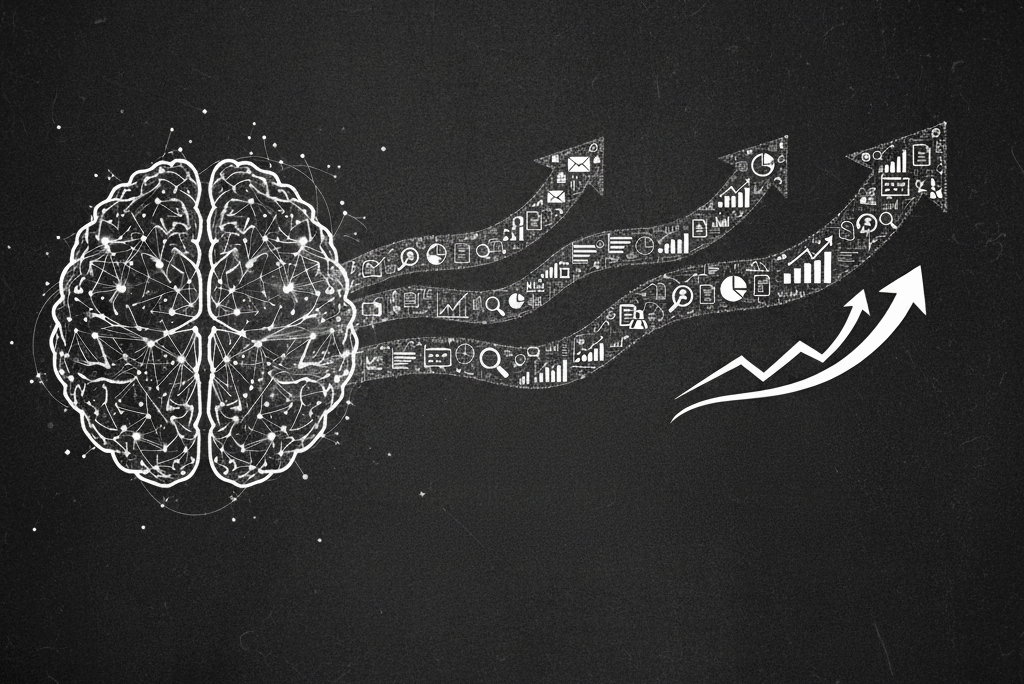
The Power of AI-Driven Predictive Analytics for Business Insight
In today’s hyper-competitive landscape, it’s no longer enough to simply react to current trends. Companies need to anticipate the future—and that’s precisely where the power of AI-driven predictive analytics comes into play. Harnessing artificial intelligence and vast data sets, organizations can now forecast outcomes, optimize operations, mitigate risks, and unlock new opportunities before their competitors even spot them.
What is Predictive Analytics?
Predictive analytics refers to the use of data, statistical algorithms, and machine learning techniques to identify the likelihood of future outcomes. When augmented by AI, these systems don’t just analyze historical information—they unravel hidden patterns, adapt to real-time inputs, and deliver near-instant insights across business functions.valueinnovationlabs+1
Key components include:
Data Collection & Preparation: Gathering structured and unstructured data.
Machine Learning Models: Surfacing trends from massive datasets, rapidly and accurately.
Visualization: Turning results into actionable dashboards for leaders and teams.varseno
The Transformative Benefits for Business
1. Enhanced Decision-Making
AI-powered predictive analytics delivers forecasts that enable confident, data-driven decisions:
Retailers can predict demand and align inventory strategy accordingly.
Financial services anticipate market movements for optimized investments.domo+2
With high-speed, high-accuracy predictions, leaders can act with agility, improving revenue and cutting costs.
2. Risk Mitigation and Loss Prevention
From detecting fraudulent transactions in real time to identifying operational risks, AI’s ability to spot anomalies saves businesses from potential losses:
Machine learning models continuously monitor data streams and flag threats as they arise.
Manufacturers rely on predictive maintenance to avoid costly downtime by servicing equipment before failures occur.aijourn+2
3. Operational Efficiency
AI-driven analytics optimize workflows and reduce waste:
Identify bottlenecks and inefficiencies across departments.
Automate resource allocation based on demand forecasts (e.g., staffing, supply chain).domo
This heightened efficiency translates directly into lower costs and higher productivity.
4. Hyper-Personalized Customer Experiences
Businesses can now create bespoke offerings by anticipating each customer’s needs:
E-commerce sites recommend products that match user behavior.
Telecoms reduce churn by predicting which customers may leave and intervening proactively.superagi+2
Customers receive tailored experiences, and companies earn greater loyalty and higher sales.
5. Competitive Advantage and Revenue Growth
Adopting predictive analytics is a proven driver of growth:
Organizations leverage forecasts for pricing strategies, targeted marketing, and better customer retention.superagi+1
Studies show predictive analytics delivers revenue growth of 10–15% and cost reductions of up to 20% for early adopters.superagi
Real-World Examples
Retail: Amazon uses predictive analytics to manage inventory and personalize user journeys, resulting in increased sales and happier customers.superagi
Manufacturing: Siemens’s AI-powered predictive maintenance minimizes unplanned downtime, reduces excess repairs, and increases workplace safety.aijourn
Transportation: Uber employs AI models to predict demand, optimize dynamic pricing, and improve route efficiency—maximizing driver earnings and passenger satisfaction.aijourn
The Evolving Landscape: Trends in 2025
Explainable AI (XAI): Growing emphasis on transparent models helps businesses and regulators trust decisions made by predictive systems.superagi
Cloud-Based Analytics: Scalable platforms democratize advanced analytics for companies of all sizes.superagi
Sustainability: AI models optimize energy use and supply chains for environmental benefits as well as profits.pwc+1
Challenges and Considerations
Successful implementation of AI-powered predictive analytics also means addressing:
Data Privacy: Secure storage and ethical use of customer and business information.
Data Quality & Integration: Reliable predictions require clean, accessible data from multiple sources.superagi
Skill Gaps: Investing in talent and training for effective deployment.superagi
Conclusion
AI-driven predictive analytics is redefining the way businesses operate, plan, and grow. By converting data into actionable predictions, organizations are empowered to make smarter decisions, minimize risks, and seize new opportunities with confidence. Those who embrace this technological edge will lead the way in resilience and innovation for years to come.
For practical strategies and case studies, visit the ThinkStratum AI blog.
Let me know if you’d like this tailored for a specific industry, want schema markup, or need high-quality custom visuals to complement the content!
