
Read summarized version with


In today’s cutthroat world, just following the crowd isn’t enough. Companies need to think several steps ahead, and that’s where AI-driven predictive analytics comes in. By combining artificial intelligence with massive data sets, businesses can forecast what’s coming next, streamline their operations, mitigate risks, and find new opportunities before their competitors even notice.
What is Predictive Analytics?
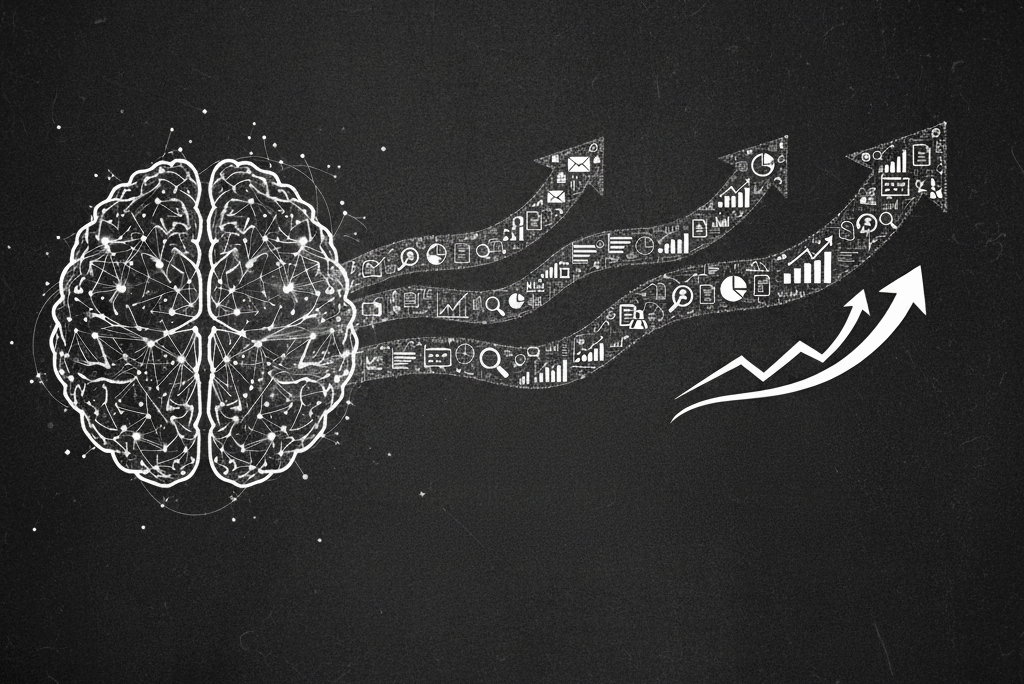
Predictive analytics is all about using data, statistical know-how, and machine learning to figure out what’s likely to happen. When AI is in the mix, these systems don’t just look at history – they uncover hidden patterns, adapt to real-time info, and deliver insights fast across different parts of the business.
Key components include:
- Data Collection & Preparation is all about gathering structured and unstructured data, which is a bit like trying to put together a puzzle with missing pieces.
- Machine Learning Models are like super-smart filters that quickly identify trends hidden in massive data sets, giving businesses a head start.
- Turning data into insights that leaders and teams can act on is what Visualization is all about – making complex data simple to understand.
The Transformative Benefits for Business
1. Enhanced Decision-Making
AI-powered predictive analytics gives businesses a crystal ball to see what’s coming next, allowing them to make informed decisions with confidence:
- Retailers can use these forecasts to adjust their inventory strategy, ensuring they have the right stock at the right time.
- Financial services can use predictive analytics to stay ahead of the market, making smarter investments and avoiding costly mistakes.
With fast, accurate predictions, business leaders can act quickly, boosting revenue and cutting costs in the process.
2. Risk Mitigation and Loss Prevention
From detecting suspicious transactions in real-time to spotting potential operational risks, AI can help businesses avoid costly mistakes and stay one step ahead of problems.
- Machine learning models are constantly on the lookout for potential threats, flagging them as soon as they pop up.
- Factories and manufacturing plants rely on predictive maintenance to avoid the costly downtime that comes with equipment failures. It’s a lot cheaper to fix things before they break.
3. Operational Efficiency
By harnessing the power of AI-driven analytics, businesses can optimize their workflows and eliminate waste like never before.
- It’s time to take a closer look at the areas where things are getting bogged down – and find ways to streamline our processes.
- By automating resource allocation based on demand forecasts, businesses can make sure they always have the right people and supplies in the right place at the right time.
When efficiency goes up, costs go down and productivity goes through the roof.
4. Hyper-Personalized Customer Experiences
Thanks to AI, businesses can now create personalized offerings that are tailored to each customer’s unique needs and preferences.
- E-commerce sites are using AI to make recommendations based on user behavior – and it’s a game-changer for customer satisfaction.
- Telecoms are using machine learning to predict when customers are at risk of leaving – and intervening proactively to prevent it.
When customers get customized experiences, businesses reap the rewards: loyal customers and higher sales.
5. Competitive Advantage and Revenue Growth
Using predictive analytics is a surefire way to boost growth: it’s a proven performer.
- Companies can tap into the potential of forecasts to create smarter pricing strategies, more effective marketing, and better customer retention.
- Studies show that early adopters of predictive analytics see revenue growth of 10-15% and cost savings of up to 20%.
Real-World Examples
- Retailers like Amazon are using predictive analytics to manage inventory and give customers personalized experiences, resulting in more sales and happier customers.
- Manufacturers like Siemens are using AI-powered predictive maintenance to reduce downtime, cut costs, and keep workers safe.
- Transportation companies like Uber are using AI models to predict demand, optimize prices, and improve routes, boosting driver earnings and passenger satisfaction.
The Evolving Landscape: Trends in 2025
- As predictive systems become more transparent, businesses and regulators are gaining trust in the decisions made by these systems.
- Cloud-based analytics platforms are leveling the playing field, giving companies of all sizes access to advanced analytics tools.
- AI models are being used to optimize energy use and supply chains, yielding environmental benefits and boosting profits – a win-win for businesses and the planet.
Challenges and Considerations
To get the most out of AI-powered predictive analytics, businesses need to tackle a few key challenges.
- Protecting customer and business data requires secure storage and a commitment to using that information responsibly.
- For AI-driven predictions to be reliable, you need clean, accessible data from a variety of sources – no easy feat, but a crucial one.
- Businesses that want to deploy AI effectively need to invest in their talent and training – it’s not just about the tech.
Conclusion
AI is revolutionizing the way businesses operate, giving them a powerful tool to drive growth, minimize risks, and seize new opportunities.
For more practical insights and real-world examples, check out the ThinkStratum AI blog.
Let me know if you’d like me to tailor this content for a specific industry, add schema markup, or create custom visuals to make it shine.